top of page


Search


The physics of the embrace.
En el tango, una misma estructura puede adquirir dimensiones, dinámicas y texturas completamente diferentes según cómo se construya la relación entre los dos cuerpos que la producen.

María Olivera
Sep 284 min read


Co-creating Tango: What lays between the lead and the follow.
A menudo tendemos a pensar que quien inicia una acción ocupa necesariamente el lugar activo, mientras que quien responde desempeña un papel secundario. Sin embargo, las formas más sofisticadas de interacción humana rara vez funcionan así.
María Olivera
Jul 14 min read


"Tradicional" Milongas ¿Authenticity or constructed narrative?
ango is not a museum piece, nor a closed form, nor a static tradition. It is a living art.
And like all living arts, it transforms, adapts, contradicts itself, and reinvents.
At the heart of its creation and inevitable evolution lies the human spirit’s need to express freedom. Otherwise, it would not be called art.
María Olivera
Apr 66 min read


From the classroom to a milonga in Buenos Aires
Sometimes we imagine that we need to be fully prepared before stepping onto the dance floor. That we should wait until we “know enough.” But tango rarely works that way. Progress happens when we dare a little.
When we go to the small milonga in our town.
When we travel to a festival.
When we walk into a room full of unfamiliar dancers.
And ultimately, when we travel across the world and step into a milonga in Buenos Aires.
María Olivera
Mar 64 min read


Learning tango: between the body and the words.
In tango teaching and practice, we constantly use words to describe sensations: “axis,” “presence,” “weight,” “connection,” “suspension,” “listening,” “energy.” These terms circulate naturally in classes, seminars, and conversations among dancers. We assume we all mean t
he same thing when we use them.
But that assumption is misleading.
The problem is not a lack of concepts. The problem is that we take for granted that these words refer to the same internal experience in e
María Olivera
Mar 33 min read


The Tango Levels Conundrum
In tango, we love to talk about levels: beginner, intermediate, advanced.
Three neat boxes that promise order in a learning process that is anything but neat.
María Olivera
Jan 94 min read


Buenos Aires: Where Yesterday Lingers in Tomorrow’s Air
Buenos Aires is a living poem, steeped in change and vibrant memories 🌆.
Each corner holds a story, each street a memory, inviting you to savor life's fleeting beauty.
María Olivera
Dec 5, 20252 min read


Confessions of a Tango Jet-Set (Minus the Jet, Minus the Set)
Travel, tango, and the art of explaining your life without boring people to death. From the outside, being a traveling tango teacher can...
María Olivera
Sep 23, 20255 min read


Poner el Cuerpo: What Tango Teaches About Showing Up With Everything You Are
There’s a phrase in Spanish—“poner el cuerpo”—that doesn’t translate cleanly into English, but it hits hard. Literally, it means “to put the body”, but the meaning runs deeper. It means showing up with your whole self—body, mind, nerves, scars, instincts. It’s about stepping into something fully, even when there’s risk. Especially when there’s risk.
María Olivera
Jul 3, 20252 min read


Tango, Time, and the Value of Authentic Effort
Being Argentine doesn’t automatically make someone a tanguero. Dancing for thirty years doesn’t necessarily make someone a good dancer—let alone a teacher. And spending time in Buenos Aires doesn’t turn someone into a porteño. These are identities that aren’t claimed; they’re earned over time, through consistent practice, curiosity, and a deep respect for the tradition.
María Olivera
May 27, 20252 min read


Tango Beyond The Steps. Why Personality Matters More Than Moves
Imagine a room full of advanced tango dancers, all attempting the same simple *parada*. Yet, no two dancers execute it the same way.
María Olivera
Apr 1, 20252 min read


The Tango Whisperer: When a Dance Class Becomes a Breakthrough
Tango is a journey to self discovery where each step can be an opportunity to heal, to grow and to discover our inner strength.
María Olivera
Feb 6, 20253 min read


Tango: Don't (always) believe what you believe.
In the world of tango, every step is a conversation, every embrace an exploration. Technical mastery intertwines with emotional connection.
María Olivera
Jan 10, 20252 min read


The Tango Embrace: A Journey of Healing
In the initial stages of the embrace, the emotions stirred by it can feel tight and itchy -much like the healing of tissue around a wound.
María Olivera
Dec 30, 20243 min read


Choose well and enjoy a fearless embrace
Abracen a hombres de verdad que la milonga, aquí y en cualquier parte, está llena de ellos. In the last few months I’ve read many...
María Olivera
Dec 13, 20244 min read


Tango Lives Where Strength Meets Vulnerability and Connection Flows
Reflexión sobre cómo la presencia de lo masculino y femenino en el tango nos acercan a la unidad entre vulnerabilidad, confianza y conexión.
María Olivera
Dec 13, 20244 min read
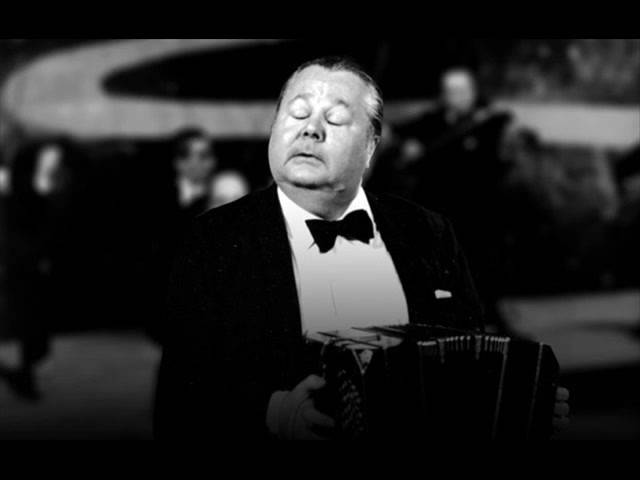
Uncle "Pichuco" (Maybe 'cause...)
Fiction and reality, 46 years after the day in which "Pichuco fell from the hands of the bandoneon" - Maybe 'cause I was made in tangos...
María Olivera
May 18, 20213 min read
bottom of page